
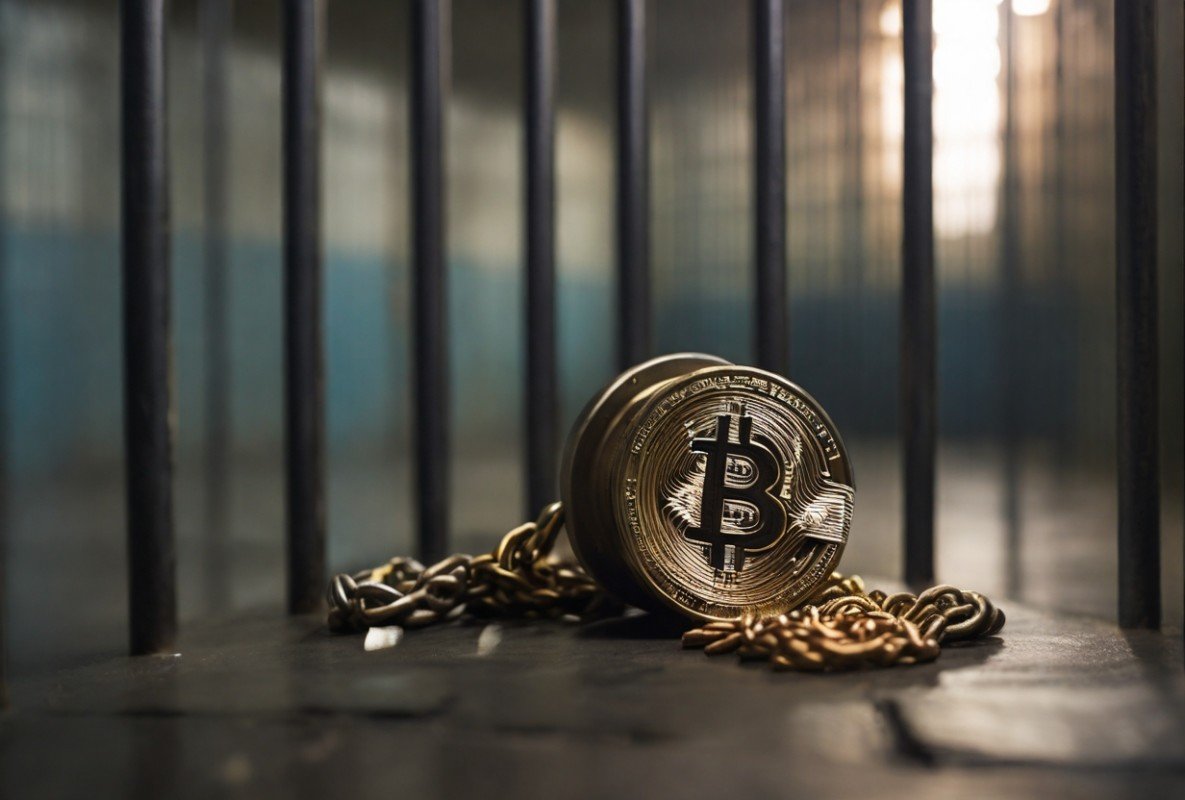

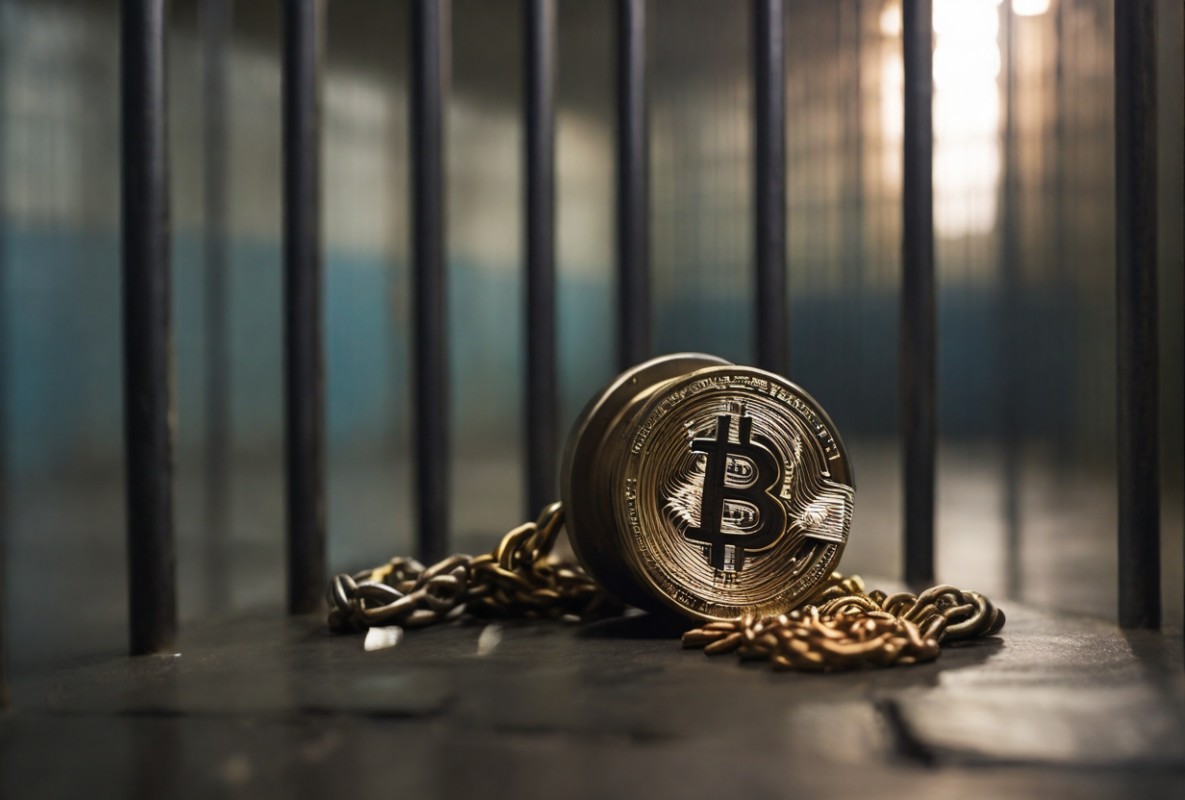
The tales of Tim Draper, a enterprise capitalist with an unwavering perception in Bitcoin, and Ross Ulbricht, the notorious Silk Street founder, are intertwined. An interesting exploration of ethics, empathy, and the unpredictability of cryptocurrency markets. This narrative delves into the ethical dilemmas posed by their distinctive circumstances, providing a nuanced take a look at the impression of their actions and the broader social and ethical issues they elevate.
Tim Draper: A testomony to resilience and imaginative and prescient
Tim Draper’s foray into the world of Bitcoin went by vital adversity, and he subsequently bought Bitcoin related to Ross Ulbricht. Draper was certainly one of many individuals who misplaced cash because of the notorious Mt. Gox trade collapse, which worn out 1000’s of buyers’ huge fortunes. Draper personally misplaced roughly 40,000 Bitcoins, equal to roughly $250,000 on the time.
Nonetheless, this setback didn’t cease his enthusiasm for Bitcoin. As an alternative, it set the stage for his future actions and solidified his fame as a staunch believer in Bitcoin’s transformative energy. His subsequent choice to buy 30,000 Bitcoins—which had been as soon as a part of the Silk Street property (seized from Ross)—for $19 million at a 2014 U.S. Marshals Service public sale was greater than only a This monetary funding can also be a daring assertion of his unwavering confidence in Bitcoin. The way forward for Bitcoin. With the worth of Bitcoin hovering, Draper’s haul is now value an eye-popping $1.286 billion, a rise of 6,669%. This windfall may make Scrooge McDuck suppose twice.
Ross Ulbricht: The Controversial Man Behind the Silk Street
Ross Ulbricht’s journey from formidable entrepreneur to convicted felon stands in stark distinction to Draper’s narrative. Because the mastermind behind Silk Street, Ulbricht facilitated a platform that revolutionized illicit buying and selling on the darkish net. He was subsequently arrested and sentenced to life with out parole, sparking a debate that transcended authorized boundaries and raised questions on innovation, freedom and the severity of punishment. Ulbricht’s case has attracted widespread consideration, with many advocating for clemency, underscoring the complexity of his legacy.
digital video games
Ulbricht’s Silk Street has dealt with an estimated $9 billion in transactions, and Draper’s investments have ballooned to greater than $1 billion, and the query of monetary compensation or help has turn out to be not simply philosophical however visibly tangible. Ulbricht’s private Bitcoin stash on the time of his arrest was estimated at 144,000 Bitcoins, value roughly $25 million in 2013. At present, the worth of such a set can be astronomical, complicating moral issues.
Shared experiences and unstated bonds
Draper and Ulbricht’s parallel paths intersect at a degree of mutual loss and resilience. Draper’s monetary setback at Mt. Gox mirrors Ulbricht’s lack of his Bitcoin stash, which was confiscated and auctioned by the federal government. This symmetry reveals a shared understanding of Bitcoin’s volatility and the impression of unexpected occasions. Draper’s public help for Ulbricht, mirrored in his passionate advocacy for Ulbricht’s launch, hints at a deeper connection, presumably fueled by their intertwined destinies within the Bitcoin house.
Draper’s solidarity with Ulbricht provides layers to this complicated story. In 2019, Draper passionately advocated for Ulbricht’s launch: “Free Ross, child! Why put these actually good individuals in jail? We want entrepreneurs like that man. Get him out of jail… We want their vitality, their minds, their Power… I am certain he is executed sufficient when the time involves get him out.”. The sentiment underscores a curious juxtaposition: Profitable buyers profit massively from property that after belonged to now-incarcerated entrepreneurs.
ethical and moral implications
This narrative prompts a reassessment of the moral dimensions of cryptocurrency investing and the tasks it could entail. Draper’s enormous earnings from Bitcoin associated to Ulbricht’s downfall – now up a staggering 6,669% in worth – elevate vital questions concerning the redistribution of wealth and the idea of ethical obligation. The idea of “ethical luck” is especially vital. It takes under consideration the function of exterior elements in ethical judgment and highlights the arbitrary nature of luck and misfortune within the digital age.
Name for reflective motion
The ethical labyrinth surrounding Draper and Ulbricht’s story invitations us to think about the character of empathy, justice, and the potential of philanthropy within the context of digital wealth. Draper’s potential monetary help for Ulbricht’s marketing campaign may function a strong gesture of solidarity and mirror the fragile interaction between success and social duty within the Bitcoin ecosystem.
Name for leniency
Ulbricht’s plight didn’t go unnoticed. His clemency petition attracted greater than 500,000 signatures on Change.org, making it the most important clemency petition ever submitted to a president. Figures reminiscent of 2024 presidential candidate Robert F. Kennedy Jr. have pledged to analyze Ulbricht’s case, saying: “Once I turn out to be president, I’ll instantly examine this case and if I discover that Ross Ulbricht has been punished, then I’ll grant him clemency. That is inconsistent with American justice and is improper.”
Moral investing?
Lastly, calling on Draper to donate to Ulbricht’s authorized fund or marketing campaign for his launch is extra than simply monetary support; it touches the spirit of the tech and blockchain communities. Ought to Draper, who reaped enormous earnings from property that after belonged to Ulbricht, really feel morally compelled to assist his trigger? It’s a query that hovers on the sting of moral investing and philanthropy, difficult the boundaries between revenue, justice and redemption.
Ethical problem
As we delve into the complexities of this story, we should contemplate our personal views on the moral obligations of those that revenue within the digital forex house. Ought to Tim Draper be morally compelled to contribute to the Free Ross motion and acknowledge the shared historical past and potential for constructive impression? How will we quantify equity on this case? What may an equitable contribution appear to be—maybe 1% of Draper’s earnings, or are there different metrics that higher stability the scales of justice and empathy?
The dialogue went past the non-public tales of Draper and Ulbricht to the touch upon broader themes of technological innovation, authorized reform, and the moral issues that emerge on the intersection of digital wealth and human rights. What are your ideas on this moral dilemma? How will we navigate these complicated moral landscapes, and what does this story inform us concerning the tasks that include great financial energy within the digital age?
